Starting
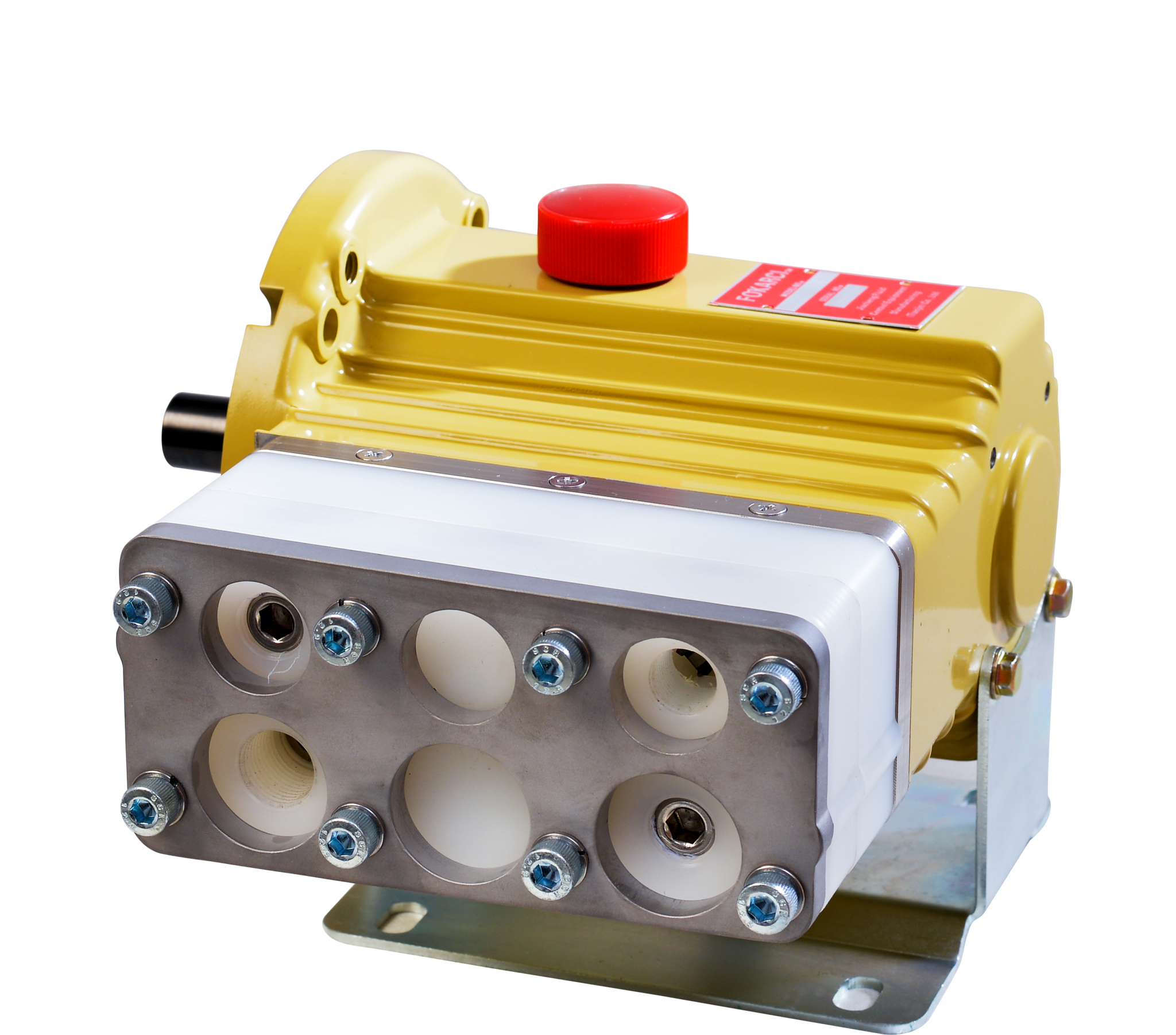
Reciprocator referred to as ramrod barrier likewise known as flexure transporters exemplify a novel fusion of pressure displacement and bendable unit technique, yielding hardy operation for wide-ranging manufacturing applications. Those deliverers adopt a oscillating plunger alternatively plunger to activate medium in opposition to a pliant seal, successfully constructing stream. The form allows for remarkable pressure competences – while detaching the pressurized flow from the power supply, preserving it from decay. Grasping their fundamental logic is essential; once the cylinder retracts, a reservoir feeds with fluid; next, the plunger's forward stroke propels this liquids through the release valve, the adaptive film flexing to handle energy shifts. Such build decreases oozing and manipulation of corrosive or breakable solutions—rendering them essential for uses such as chemical manufacture, dosing, and intensive cleaning.
```textElevated-Force Barrier Flow Devices: Operations and Benefits
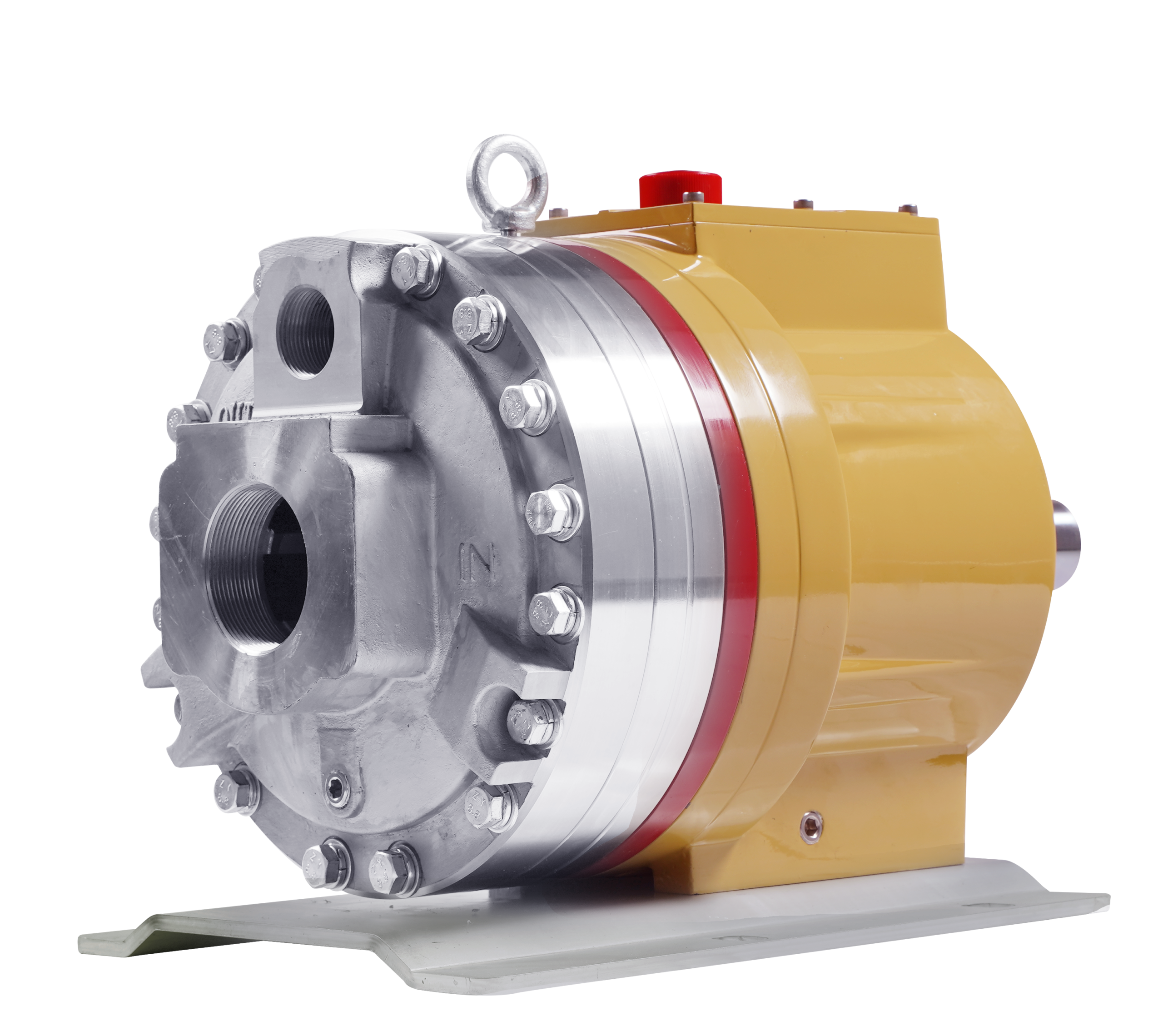
Membrane transporters grant some rare cure for arduous purposes requiring high pressure. Usually used in sectors like chemical production, paint application, and water treatment, these tools are effective at handling glutinous fluids or those holding granules. Assets include their power to run dry without damage, self-priming properties which curtail setup time, and notable suction lift – enabling them to draw liquids from downward sources. Additionally, the structure offers airtight sealing, preventing leakage of potentially hazardous materials and safeguarding safeguarding nature – qualifying them as a dependable choice when processing explosive or caustic substances. The hardy structure confirms lengthy usage time even under constant switching phases.```Multi-Cylinder Seal Fluid Movers for Demanding Process Assignments
Severe applications usually call for powerful pumping techniques, and piston-style pumps represent a significant selection. These appliances employ the upsides of pliant barrier technology – outstanding chemical conformity and dry-running traits – combined with multiple pistons to offer significantly higher outputs compared to single-block designs. Such architecture makes possible for accurate pressure supervision and managing damaging or breakable fluids, establishing them ideal for work involving chemical coating injection, high-pressure cleaning, and hydraulic power – yielding improved productivity over conventional pumping processes.
This Capableness of Intense Force Allocating Pumps in Refined Tasks
Measuring apparatus, functioning at marked pressure, embody particular crucial fragment in numerous fine functions. Their aptitude to supply liquids with extraordinary adjustment enables them fit for stringent tasks like polymer treatment, formula injection in research settings, and liquid power examination. The repeatable amount delivered employing these innovative pumps High Pressure Metering Pump guarantees steadfast consequences, materially reducing error and raising overall effectiveness.Electing the Appropriate Seal Machine: Specific Inclusive Review
Finding certain ideal diaphragm tool for your procedure can be challenging. Various factors impact this resolution, including fluid form, flow rate criteria, and pressure ranges. Weigh pneumatic, electric, or hydraulic activated models; each offers distinct features and drawbacks. Pneumatic pumps are generally cost-effective and mobile, while electric pumps provide more stable flow, and hydraulic options excel with high pressure processes. A careful comparison of these aspects is vital for achieving optimal operation and minimizing downtime.
Fixing Frequent Challenges with Rod Elastic Layer Liquid Movers
Handling typical problems with plunger pumps can often avoid costly stoppages. A decline in force is a regular symptom, possibly due to degraded seals or jammed check devices. Inspect the membrane for cracks or punctures; replacement is often a simple solution. Air fumes can result from loose fittings or faulty connections, requiring strengthening. Finally, ensure proper lubrication and consistent maintenance to sustain the pump’s operational lifespan and effectiveness.
Boosting Efficiency: Upkeep Tips for Elastic Instruments
With the aim to secure peak productivity from your pliable pump, periodic maintenance is vital. Inspect the movable barriers frequently for traces of tear, such as tears, and install them as needed. Also, assess air pressure and flow rate; variations can imply issues with the air manifold. Empty the pump compartment periodically to remove any built-up debris, and treat moving parts according to the originator’s advice. Finally, keep your input lines free from obstructions.Contrasting Multi-Plunger vs. Lone Plunger Units
In case picking a hydraulic mechanism, the selection between a multi-plunger and a lone plunger design presents key differences. Frequently, individual-plunger systems offer uncomplicated nature and are optimal for minimized output applications, while multi-piston designs provide a means to improve the overall throughput without needing to significantly increase strength. Still, poly-actuator systems are often complicated to manage and can be pricier initially.
Advancing Shifts & Novelties in Peak Pressure Fluid Pumping Equipment
The emerging atmosphere for high pressure energy transfer apparatus reveals many promising directions and innovations. Developments are being driven by the need for expanded capacity, greater dependability, and reduced eco-effects across numerous sectors like hydrocarbon extraction, water cleaning, and chemical synthesis. We expect a rise in digitally integrated platforms; probes, coupled with predictive maintenance systems, will become commonplace – constraining downtime and optimizing performance. New materials are critical, including the exploration of ceramic composites for enhanced abrasion resistance & corrosion mitigation. Additionally, hydraulic fracturing applications foresee a shift toward proppantless techniques leveraging higher pressures to achieve equivalent results; decreases waste and logistical complexity.
- Inquiry into novel pump designs – such as axial piston pumps with variable displacement capabilities and magnetically levitated alternatives aiming for near-zero friction – is gaining momentum.|
- Reduction technologies are crucial, leading to the development of smaller, more agile high pressure pumping units suited for specialized operations.
- Intensity on sustainable solutions like electric powered pumps will continue to grow, decreasing carbon footprints and operational costs.